Home > Wellness > Stress & Sleep > Nervous System
Why It Can Feel So Hard to “Switch Off” — Even When the Day Is Already Over
And the short, app-guided vagus nerve routine people are using when breathing exercises and “just relax” advice feel like too much work.

You know the feeling: the laptop is closed, dinner is over, the house is quiet — but your body still feels like the day never really ended.
Your shoulders are still slightly tense. Your mind keeps replaying tomorrow’s list. You sit down to relax, but somehow relaxing becomes another task you have to “do correctly.”
So you try the usual things. A breathing app. A hot shower. A walk. Less screen time. Maybe a supplement. Maybe another bedtime routine that looks perfect on paper.
And sometimes they help. But on the busiest days, the problem is obvious: the last thing you want is another complicated routine.
The part most “relaxation advice” skips
Most advice starts with the mind: think calmer thoughts, breathe differently, meditate harder, create the perfect evening routine.
But there is another part of the picture — the communication pathways between the brain and body that help influence whether we feel alert or able to settle.
One of the best-known pathways involved in this conversation is the vagus nerve.
That is what made Pulsetto interesting to us.
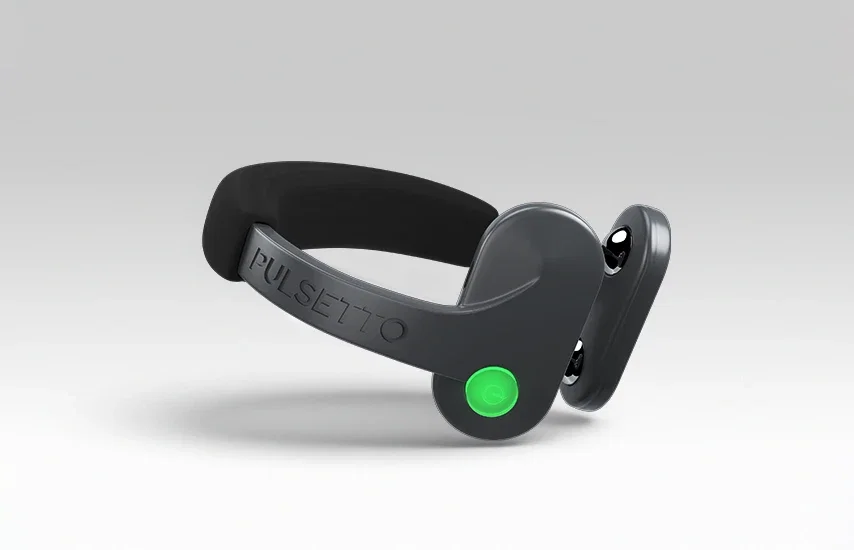
Rather than asking you to add a long new ritual, Pulsetto is designed as a hands-free wellness device that sits around the neck and delivers gentle electrical stimulation while an app guides the session.
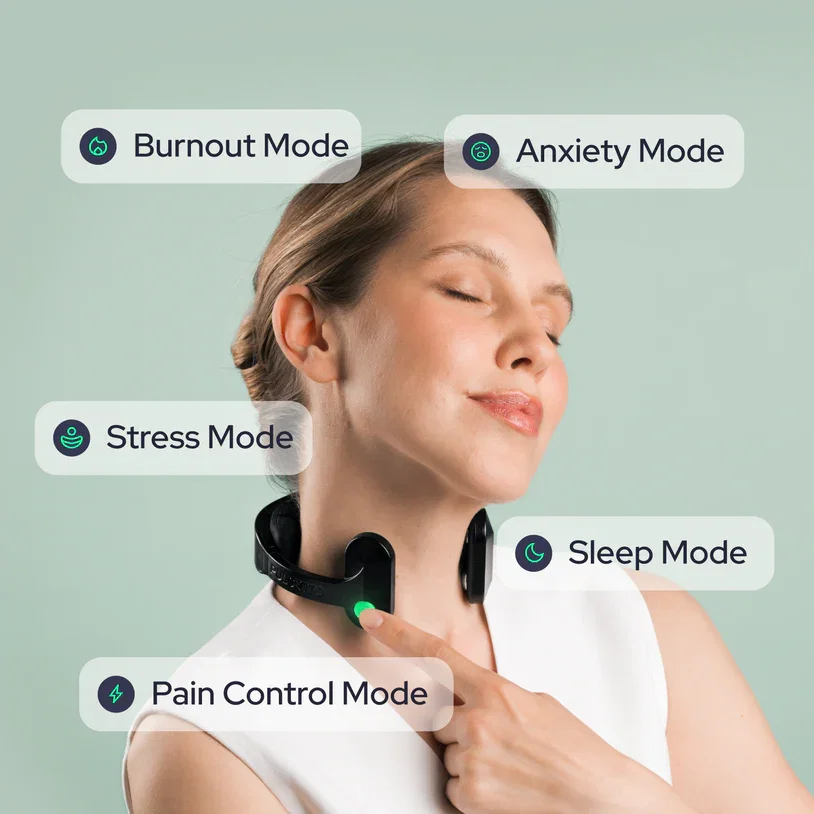
The brand positions it around wellness goals such as stress management, relaxation, sleep routines, focus and nervous-system support — not as a replacement for medical care.
Opens the current Pulsetto offer in a new page.
The “4-minute” idea is what caught our attention
The official Pulsetto product page promotes short sessions that can be worked into everyday life. That matters because the biggest weakness of many wellness routines isn’t the idea — it’s consistency.
A 30-minute ritual may sound great on Sunday afternoon. It can feel very different on a Wednesday night after a packed day.
Pulsetto’s appeal is that the device is designed to lower the friction: wear it, connect to the app, select a program, adjust the intensity as instructed, and let the session run.
Power on the device and connect it to the Pulsetto app.
Use conductive gel on the neck area or device electrodes as directed.
Place Pulsetto comfortably around the neck.
Select the session that fits your current wellness goal.
What using it can look like in real life
Imagine this instead of starting another complicated wind-down checklist:
You finish the day. You put your phone on the charger. You apply a small amount of conductive gel, place the device around your neck, open the app and choose the program that matches what you want from that moment.
Maybe that is simply a few minutes to decompress before dinner.
Maybe it becomes part of your pre-bed routine.
Maybe you use it after a high-pressure workday when your brain is still moving faster than the room around you.
The attraction is not that it asks you to become a different person. It is that it can sit inside a routine you already have.
What stood out to us
- Hands-free, neck-worn design
- App-guided programs for different wellness goals
- Short sessions designed to be easier to repeat consistently
- Rechargeable hardware rather than a consumable product
- Designed around vagus nerve activation and nervous-system wellness
It is not a magic “calm button” — and that is important
The fastest way to ruin trust in a wellness product is to pretend every person will have the same experience.
Pulsetto should not be viewed as a cure, a medical treatment, or a guaranteed solution for a health condition. It is a wellness device designed to support routines around relaxation, stress management and nervous-system balance.
That distinction matters.
Some people may love the convenience of a wearable. Others may dislike using conductive gel. Some will prefer a technology-based routine; others will always prefer breathing exercises, meditation or movement.
Why it may appeal
- Short, guided sessions
- Hands-free wearable format
- Multiple app programs
- No pill or drink required
- Designed for home use
What to consider
- Conductive gel is part of use
- The sensation may take getting used to
- Consistency matters with wellness routines
- Not intended to replace medical care
- Safety guidance should be reviewed before use
Why the device is different from a meditation app
A meditation app still depends almost entirely on what you do: focus, breathe, listen, stay present and resist checking your notifications.
Pulsetto takes a different approach. The app is still part of the experience, but it controls a physical wearable designed to stimulate the vagus nerve area around the neck.
That is the central reason people comparing nervous-system wellness tools may find it worth a closer look.
What about sleep?
Sleep is one of the reasons many people become interested in Pulsetto in the first place.
The company includes sleep-focused programming intended to be used as part of an evening wind-down routine. The idea is not to “knock you out” like a sedative. It is to create a repeatable relaxation routine before bed.
That difference is worth understanding if your goal is to build a better evening ritual rather than simply add another pill to the nightstand.
Who does Pulsetto make the most sense for?
Based on the design and positioning, we think the strongest fit is someone who already understands the value of relaxation but struggles with the friction of long routines.
In other words: someone who does not need another article telling them to breathe more slowly.
They need something simple enough that they will actually use it.
Pulsetto may be worth exploring if you:
- Feel like your body stays “on” after a demanding day
- Want a tech-based relaxation routine rather than another supplement
- Prefer short, guided sessions over long wellness rituals
- Are curious about non-invasive vagus nerve stimulation
- Want something that can fit into an evening or recovery routine
The question we would ask before buying
Not “Will this change my life?”
That is the wrong standard for almost any wellness device.
A better question is:
If your answer is yes, Pulsetto is an interesting category of device to investigate.
And because device versions, app features, shipping terms and guarantees can change, the next step is simply to review the current options before deciding.
See the device, programs and current offer
Review the current Pulsetto configurations, app features, shipping details, guarantee and safety information before making your decision.
Explore Pulsetto →You’ll be redirected to the current Pulsetto offer.
Advertorial & affiliate disclosure: This is independent promotional content and may contain affiliate links. We may receive compensation if you purchase through a link on this page. Pulsetto is presented here as a wellness device. This page does not provide medical advice and does not claim that Pulsetto diagnoses, treats, cures or prevents any disease or medical condition. Review the manufacturer’s current instructions, warnings and contraindications before use, and consult a qualified healthcare professional if you have medical concerns or use an implanted electronic device.